Writing, reading and phonics
No items found.


%20copy.svg)
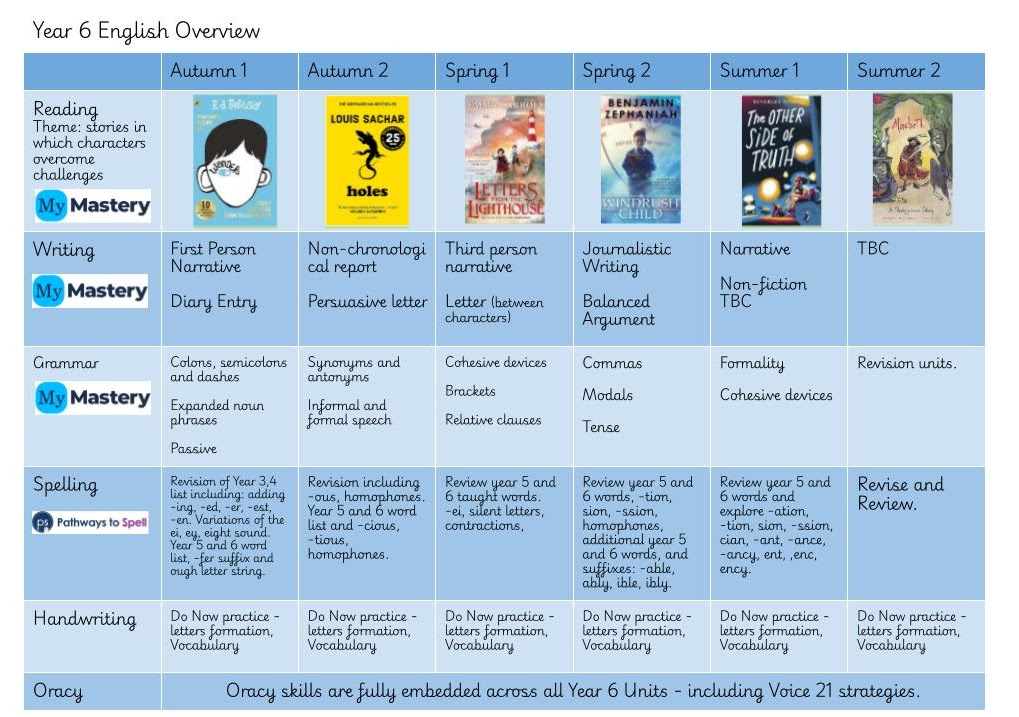
In KS2 at Lift Newington, we teach writing through the ARK English MyMastery programme. This is a fully resourced, carefully sequenced curriculum designed to help pupils make strong progress in their writing.
Each unit typically lasts three weeks. During this time, pupils draw on the high-quality text they are studying in their reading lessons to produce an extended piece of writing. Every unit focuses on one of four key purposes:
The journey towards the final piece is structured around a series of purposeful practice activities. These tasks are carefully designed to help pupils focus on and master specific skills and knowledge.
Within each unit, there is a balance between shorter, formative tasks — which provide regular opportunities for feedback, reteaching and review — and a longer, summative extended writing piece. The final piece is assessed against the year group objectives, enabling us to build a clear picture of each child’s progress over time.
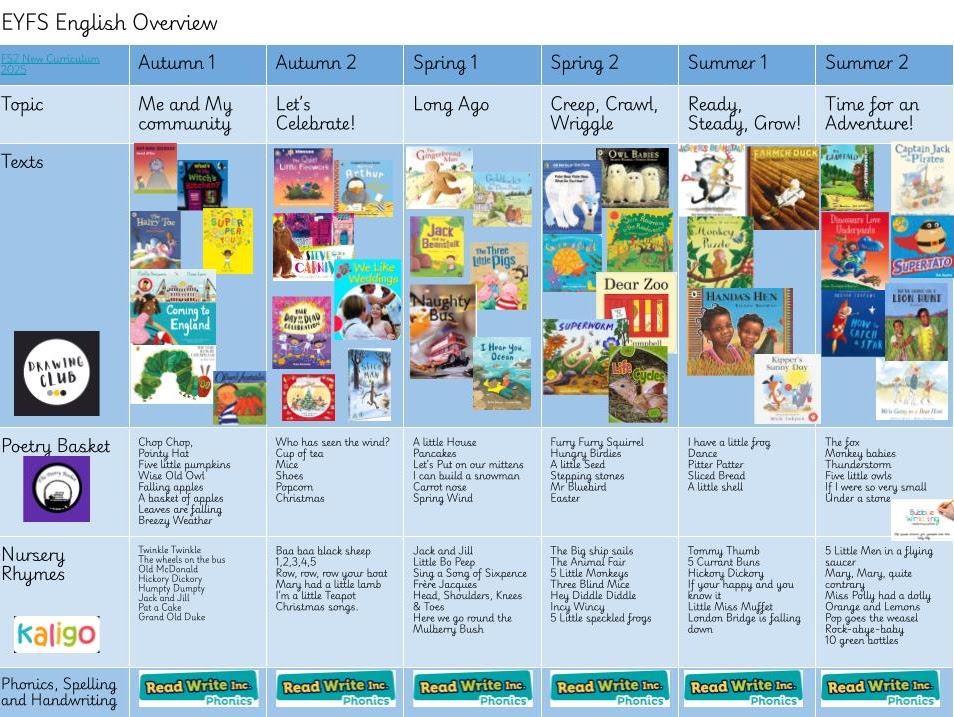
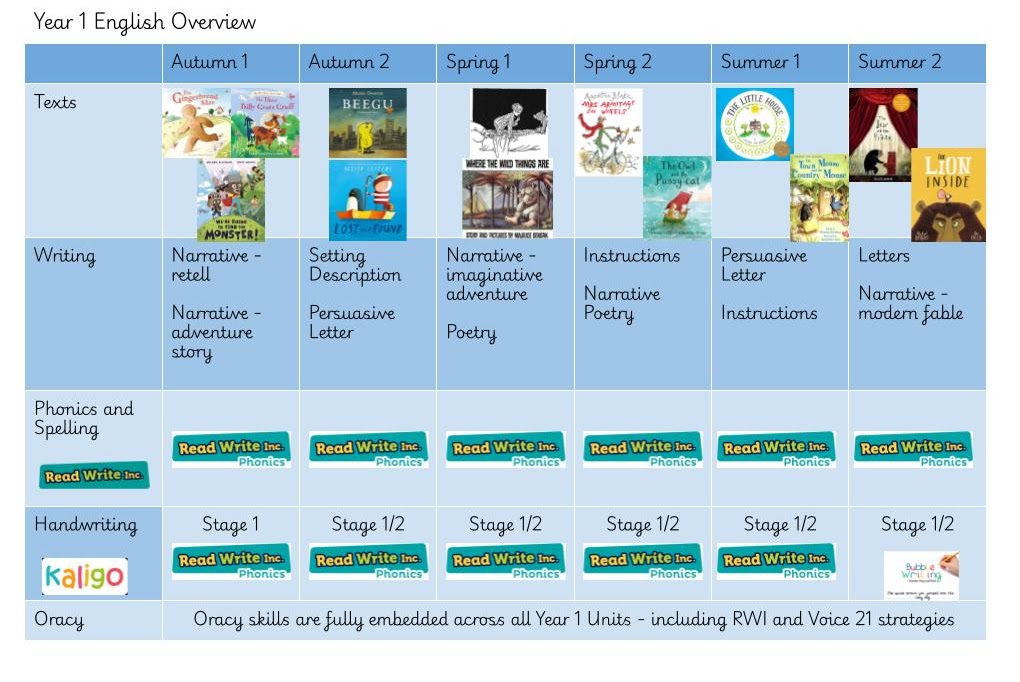
Please have a look at our English overviews for each year group.
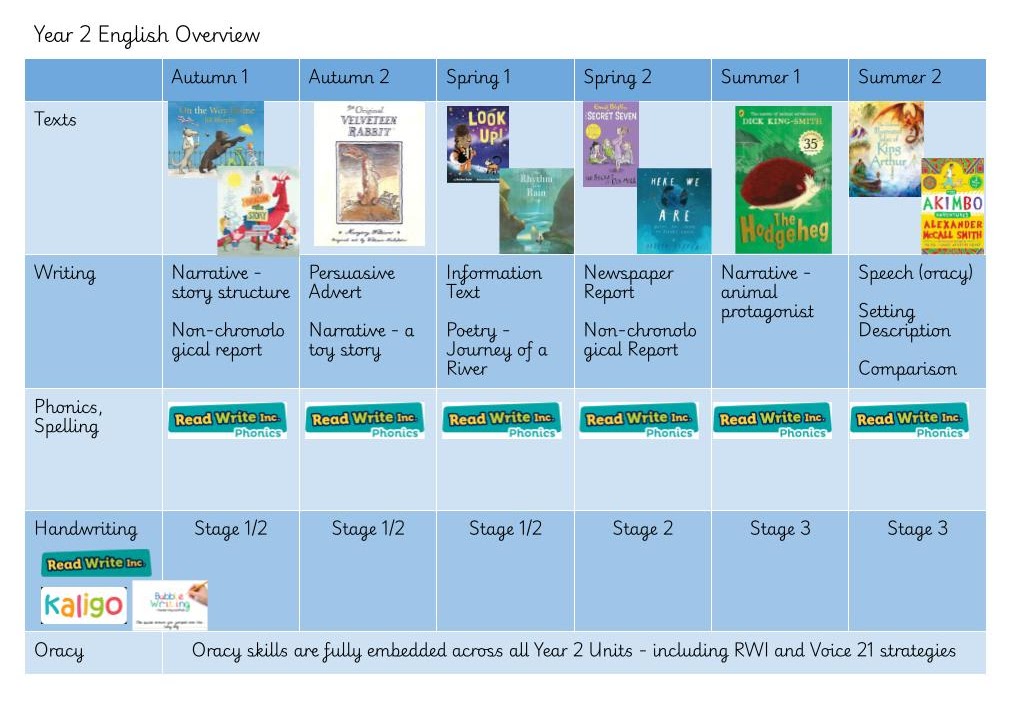
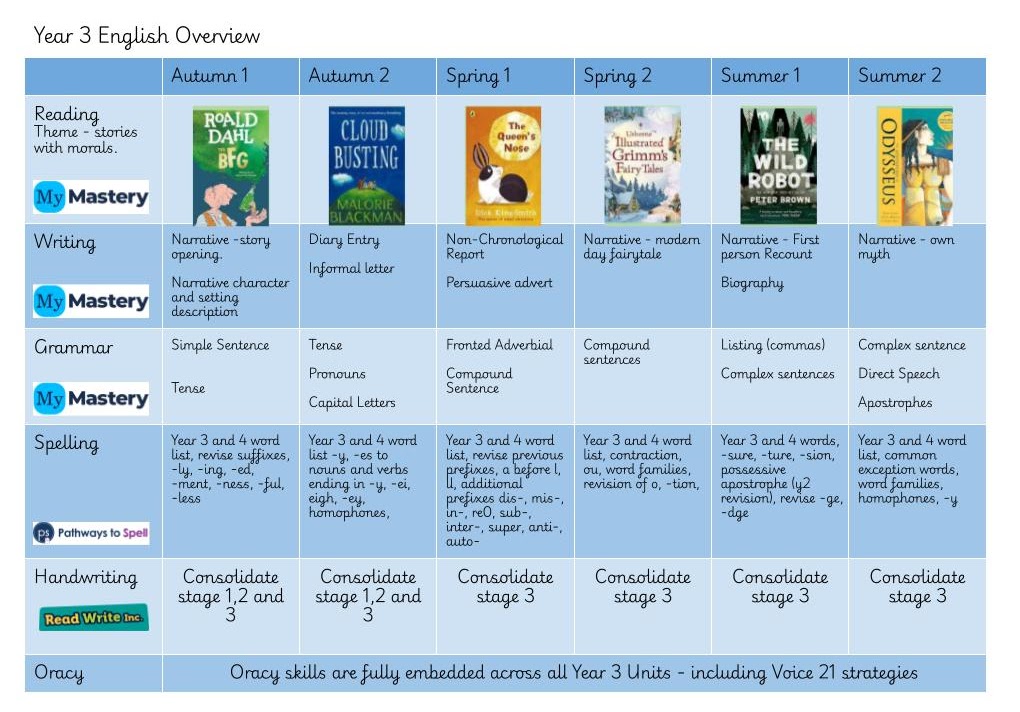
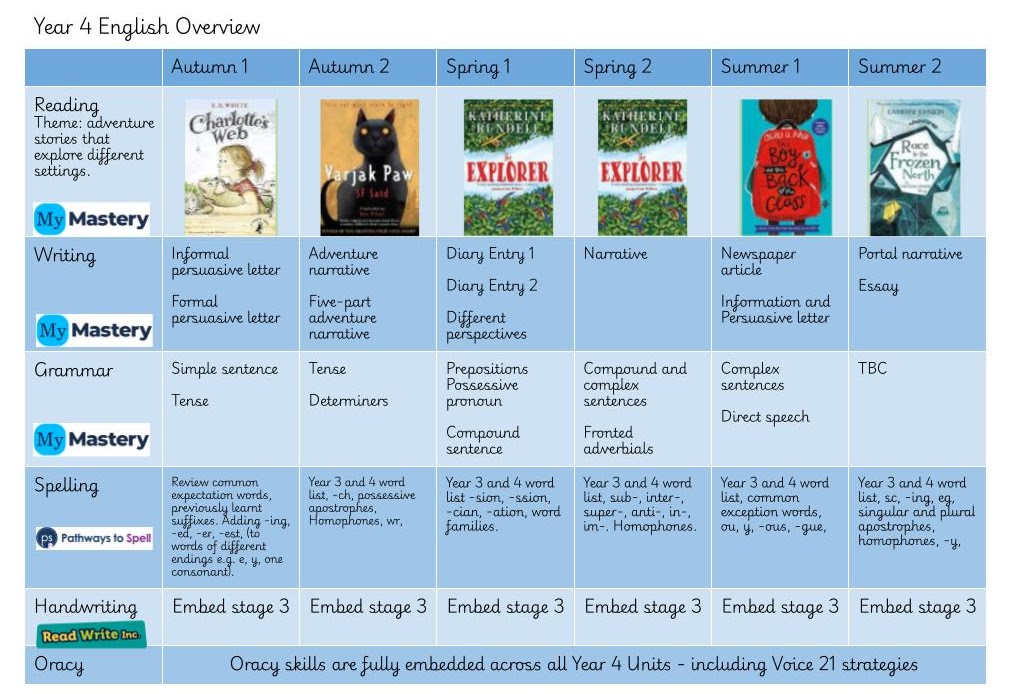
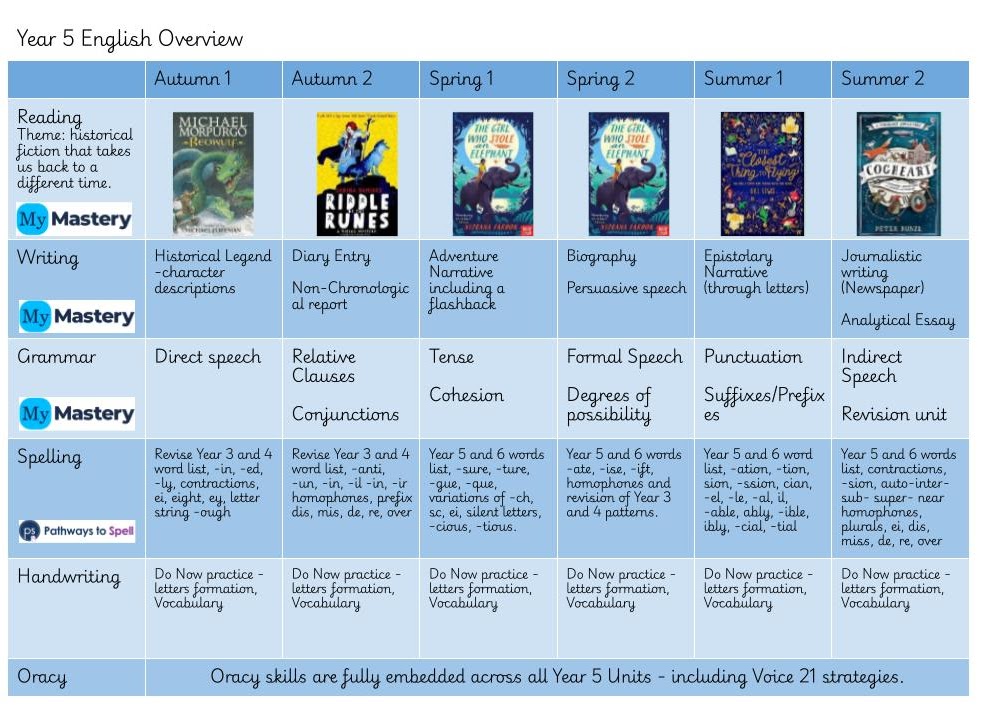
Spelling
At Lift Newington, we use the Read Write Inc. Spelling programme to teach spelling in a clear, structured and systematic way. The programme builds on children’s phonics knowledge and helps them understand spelling patterns, rules and word families in depth. Through engaging, interactive lessons, pupils practise segmenting, spelling and proofreading, while also learning strategies to help them tackle unfamiliar words independently. Regular review and deliberate practice ensure that spelling knowledge is embedded over time, enabling children to apply accurate spelling confidently across all areas of their writing.
Handwriting

At Lift Newington, we use the Read Write Inc. Handwriting programme consistently across the school to develop fluent, legible handwriting. Through daily practice, children are explicitly taught correct letter formation, starting points and pencil control. The programme follows a clear, structured progression, ensuring pupils build strong foundations before moving on to joins and increased writing stamina. Regular practice helps children to develop neat presentation, automatic letter formation and pride in their work, supporting them to write confidently across the curriculum.
At Lift Newington we recognise the importance of reading and how reading affects all aspects of the curriculum. Our Reading Curriculum is driven by the vision to cultivate a deep love of language, empowering pupils with the skills, knowledge, and passion for reading that will benefit them throughout their lives. Through an immersive approach, pupils are exposed to high-quality texts and diverse experiences from EYFS to Year 6, ensuring they develop fluency, purpose, and enjoyment in reading.
Through extensive exposure to varied texts, we nurture a joy for reading but also significantly contributes to pupils' educational achievements and future success. The curriculum is underpinned by a strong desire to ensure that every child will learn to read regardless of age, gender, or ability, progress to become confident and secure readers.
By fostering a lifelong love of reading, the school ensures pupils can enjoy reading as a skill and a passion, knowing it opens doors to success across the curriculum and beyond.
Once the children have completed the RWI Phonics, initially we teach fluency and vocabulary strategies so that the children can then focus on understanding what they read. We spend time discussing the text and helping the children to ask and answer questions about the text.
These texts are selected based on criteria such as:
In KS2 we teach reading using the ARK English MyMastery scheme. This book-based reading curriculum continues to build on the Key Stage 1 book selection. These books incorporates a range of books that reflect pupils’ reality and are based upon a mix of classics, modern classics and representative whole texts.
All of the texts have been carefully selected to ensure that they are linguistically challenging, be narratively engaging, are engaging for the pupils and include a high level of vocabulary. Immersing our pupils in a rich and diverse literacy curriculum will provide them with the tools to become confident and fluent readers with a real love for reading. Reading lessons also include extracts of other texts to broaden exposure.
Reading whole novels allows the children to fully invest in the text; exploring characters, plots, different settings and different cultures. It also motivates the children to read for pleasure and gives them the confidence to read whole texts by themselves.
In addition to this, all of the texts are also used in our Writing curriculum ensuring those strong links and a ‘whole text approach’. As a result, pupils will master the skills they need to become experts in all aspects of English.

Reading lessons are built upon the five pillars of reading (The National Reading Panel 2000).
These five pillars are at the centre of each reading instruction. In Key Stage 2 we particularly focus on fluency, vocabulary and comprehension. They are fully embedded in our ready cycle.
Each reading unit lasts for two weeks:
The day 10 Big Idea pulls out all of the threads to answer a Big Idea question about the text read so far.
The day 9 Independent Strategy gives the children the opportunity to apply the skills they have practised.
In each lesson sequence then children are taught a number of strategy to improve their reading skills and word towards automaticity.
We assess the children’s ability to read through listening to children read, discussions with the children, looking at the work they produce in response to the text as well as daily academic monitoring. This determines specific feedback and helps to plan what we teach the children next.
We check the children are on track by using the Reading Progression document.
Within RWI children on the earliest stages - the Ditty books are assessed every two weeks. As children progress through the program they are assessed every six weeks. This includes listening to the children recall phonic sounds, blend words and read a passage.
From Years 2- 6 children will complete the NGRT. A standardised, adaptive, termly assessment which measures the reading skill against national average. It tells use whether children are secure readers for their age and identify where intervention may be needed. This also enables us to monitor impact and progression.
At Lift Newington reading is frequently monitored to ensure both precision and progress. Where we identify that a child needs additional support, we ensure that each child receives an intervention or the support for their individual needs.
For students requiring extra support we address it promptly using some of the following learning support strategies and programs:
Progress for these interventions is tracked using our Edukey Provision Map to ensure effective outcomes.
‘Reading for Pleasure is the single most important indicator of a child’s future success’. (OECD, 2002)
At Lift Newington, we wish to nurture children‘s engagement and enjoyment as readers. We are passionate about reading and want to encourage children to become happy and regular readers too. We do this in a number of ways.
All children have access to books from our school library as well as mini-libraries in shared areas around school. The library is open to all children every lunchtime to engage children in reading.
All children are encouraged to participate in World Book day and Newington’s Reading challenge to read every day.
We invite authors into school and have volunteers who listen to children read.
Lift Newington also proudly takes part in the Hull School Libraries Book awards where children get to read 5 short listed books and determine the winner in the Big Malarkey tent in East Park.
Every day teachers show that they are readers too by sharing a class story.
Our school vending machine is stocked with books to reward and celebrate the Reader of the week from each class.
Stay and play sessions have also been introduced inviting parents into the classroom to take part in reading activities and much more!
If you want to find out more about reading at Newington - check out the parents booklets on our parents pages.
We want all pupils to develop a love for reading that will set them up to be successful learners and adults. The more your child reads, the better they will become, opening up a whole host of opportunities in their future.
We ask that all pupils read everyday - whether this be their levelled reading book, their Reading for Pleasure book or something of their choice at home such as sports programs, comics, recipes and instructions for a game. It is important that this is recorded in their reading diary as your child will receive rewards for the number of reads that they achieve.
As part of the National Year of Reading and the Go All In – Reading for Pleasure initiative, we are proud to champion a culture where reading is celebrated and valued by all.
Pupils will receive certificates for the number of reads they achieve with special certificates for 50, 100, 150 and 200 reads. In addition to this, pupils will receive a dip in the Reading prize box once they achieve 150 reads and a book from the vending machine on achieving 200 reads.
World Book Day is always a highlight of our academic year.

At Lift Newington we strive for all of our children to become fluent, confident readers who are passionate about reading. We use Read Write Inc to give our pupils the best possible start.
Read Write Inc is a complete phonics and literacy programme which helps all children learn to read fluently and at speed so that they can focus on developing their skills in comprehension, vocabulary and spelling. The programme is designed for children aged 4-7. At Newington we begin the programme in Reception and will continue teaching Read Write Inc to children beyond the age of 7 if they still need support with their reading.
Read Write Inc was developed by Ruth Miskin and more information on this can be found at https://ruthmiskin.com/en/find-out-more/parents/.
How will Read Write Inc be taught?
All children are assessed regularly by our Read Write Inc assessment team . This allows complete participation in lessons and enables all children to be taught at their own challenge point.
The children:
We use pure sounds (‘m’ not’ muh’,’s’ not ‘suh’, etc.) so that your child will be able to blend the sounds into words more easily.
At school we use a frog called Fred who is an expert on sounding out words! We call it, ‘Fred Talk’. E.g. m-o-p, c-a-t, m-a-n, sh-o-p, b-l-a-ck.
Your child will start to bring books home when they are confident readers. Each week they will bring home a Book Bag Book linked directly to the Read Write Inc book they have shared in school. Please share the book, talk about the pictures and encourage your child to read. Please revisit this book so your child becomes really familiar with the words and in doing so their fluency will develop. If they need to sound out a word, that is fine. Please give lots of praise!
We ask the children to read at least three times a week. Books will be changed every Friday so that the children can have the opportunity to practise the skills that they have learnt over the week.
Here are some useful websites to help you to support your child at home with phonics;
A parent's guide to Read Write Inc
Ruth Miskin parent information